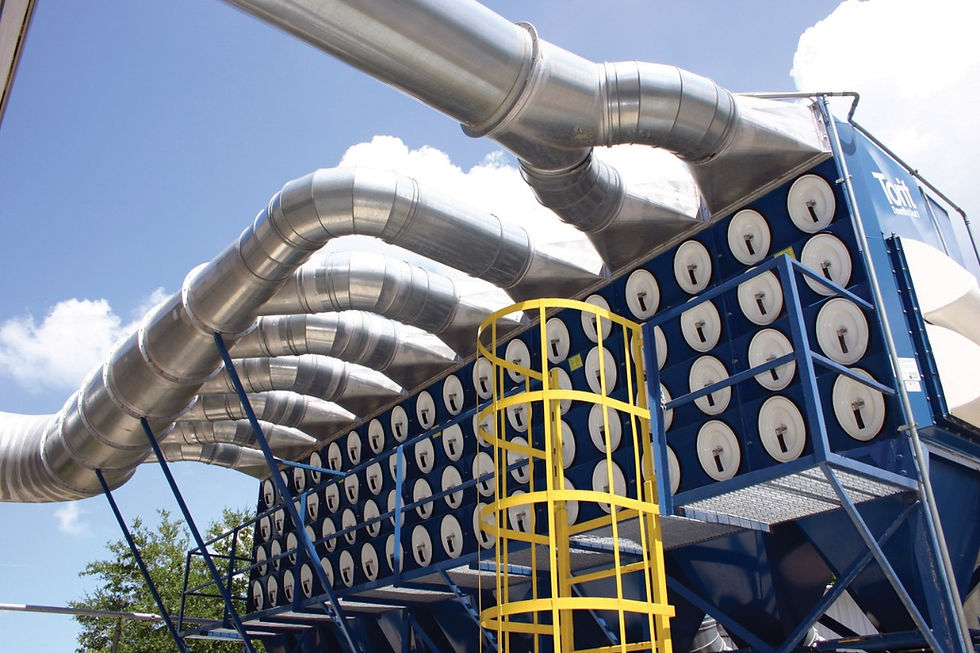
Discover the Best HVAC Sales Services
When managing commercial or industrial facilities in Kentucky and Southern Indiana, selecting the right HVAC system is crucial. The right equipment ensures efficient climate control, reduces energy costs, and maintains a comfortable environment for employees and clients. I want to share practical insights on how to navigate HVAC service options and find the best solutions for your facility’s needs.
Understanding HVAC Service Options for Commercial and Industrial Use
Commercial and industrial HVAC systems differ significantly from residential units. They require more robust equipment designed to handle larger spaces and heavier usage. Here are some common HVAC service options available:
Package Units: These are all-in-one systems that combine heating and cooling components in a single unit. They are often installed on rooftops or outside the building, saving indoor space.
Split Systems: These systems separate the heating and cooling components, with the condenser outside and the evaporator inside. They offer flexibility in installation and maintenance.
Chillers: For larger industrial facilities, chillers provide cooling by circulating chilled water.
Variable Refrigerant Flow (VRF) Systems: These advanced systems allow for precise temperature control in different zones, improving energy efficiency.
Choosing the right option depends on your facility’s size, layout, and specific climate control needs. It’s important to evaluate each system’s capacity, energy efficiency ratings, and maintenance requirements.

Factors to Consider When Selecting HVAC Equipment
Selecting HVAC equipment for commercial or industrial use involves several key factors:
Energy Efficiency: Look for units with high SEER (Seasonal Energy Efficiency Ratio) and AFUE (Annual Fuel Utilization Efficiency) ratings. Efficient systems reduce operating costs and environmental impact.
Capacity and Size: Oversized or undersized units can cause inefficiency and discomfort. Conduct a load calculation to determine the correct size.
Durability and Reliability: Industrial environments can be harsh. Choose equipment designed to withstand dust, vibration, and temperature extremes.
Maintenance and Serviceability: Easy access to components and availability of replacement parts reduce downtime and repair costs.
Compliance with Local Codes: Ensure the equipment meets Kentucky and Southern Indiana regulations and standards.
Working with a knowledgeable supplier can help you assess these factors and select the best HVAC system for your facility.

Why Choose Thermal Equipment Sales for Your HVAC Needs?
Thermal Equipment Sales stands out as a top choice for HVAC equipment in Kentucky and Southern Indiana. Their approach focuses on responsiveness and technical accuracy, which is essential for commercial and industrial projects. Here’s why they are a reliable partner:
Expertise in Commercial and Industrial HVAC: They understand the unique demands of large facilities and offer tailored solutions.
Wide Range of Equipment: From package units to chillers, they provide diverse options to fit different needs.
Responsive Support: Quick responses to inquiries and technical questions help keep projects on schedule.
Technical Spot-On Recommendations: Their team ensures you get equipment that matches your facility’s specifications and budget.
Growing Reach: Expanding their service area means more facilities in Kentucky and Southern Indiana can benefit from their expertise.
If you want to explore hvac sales services that combine quality and service, Thermal Equipment Sales is a strong candidate.

Tips for Maintaining Your Commercial HVAC System
Proper maintenance extends the life of your HVAC system and keeps it running efficiently. Here are some practical tips:
Regular Inspections: Schedule professional inspections at least twice a year to catch issues early.
Filter Replacement: Change filters regularly to maintain air quality and system efficiency.
Clean Coils and Ducts: Dirt buildup reduces performance and increases energy use.
Monitor System Performance: Use sensors and controls to track temperature and energy consumption.
Prompt Repairs: Address minor problems before they escalate into costly breakdowns.
Implementing a maintenance plan reduces downtime and keeps your facility comfortable year-round.
Planning for Future HVAC Upgrades
As technology advances, upgrading your HVAC system can improve efficiency and reduce costs. Consider these steps when planning upgrades:
Assess Current System Performance: Identify inefficiencies and areas for improvement.
Research New Technologies: Look into energy-saving options like smart thermostats and variable speed drives.
Budget for Upgrades: Plan financially for equipment replacement or retrofits.
Consult Experts: Work with suppliers who understand commercial and industrial needs.
Schedule Upgrades During Off-Peak Times: Minimize disruption to your operations.
Upgrading your HVAC system is an investment that pays off in comfort, reliability, and lower energy bills.
Choosing the right HVAC service options and equipment is essential for commercial and industrial facilities in Kentucky and Southern Indiana. By understanding your needs, evaluating equipment carefully, and partnering with a responsive supplier like Thermal Equipment Sales, you can ensure your facility stays comfortable and efficient. Take the time to explore your options and plan for the future to get the most from your HVAC investment.